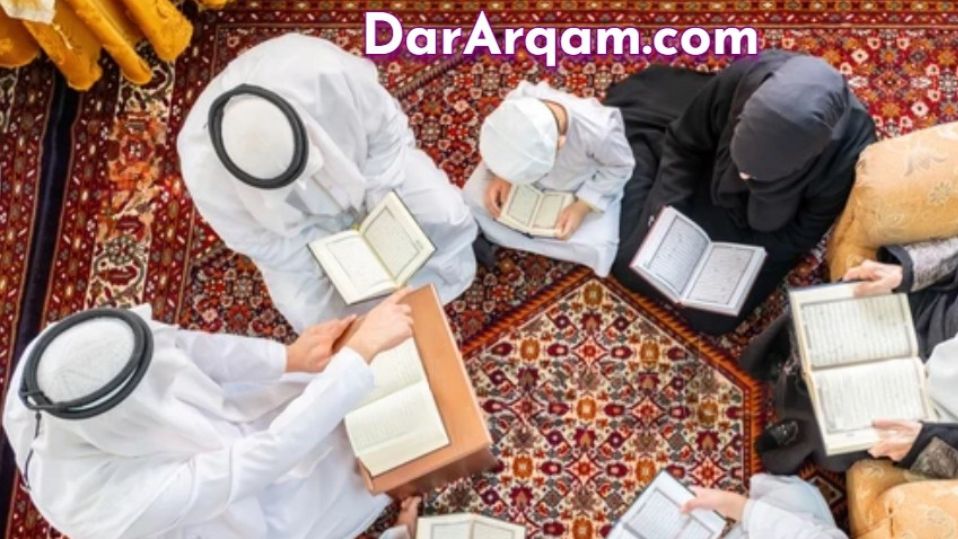
Teaching the Quran to kids in the USA can be challenging for Muslim parents, especially compared to families living in Muslim-majority countries where Islamic schools, Quran teachers, and Arabic-speaking environments may be easier to access. However, with the right approach, consistency, and support from institutions like Dar Arqam, parents can successfully instill Quranic learning in their children.
This article provides practical tips to help parents teach the Quran effectively, ensuring their children grow up with a strong foundation in their faith, proper Quran recitation, love for Islam, and confidence in their Muslim identity.
10 Ways Parents in the USA Can Teach the Quran to Their Kids
1. Find a Qualified Local or Online Quran Tutor
One of the best ways to ensure proper Quran learning is to find a qualified tutor. Parents can check with local mosques, community centers, or well-established online academies like Dar Arqam, which provides expert Quran teachers with experience in teaching non-Arabic speakers.
Platforms like Dar Arqam offer tailored lessons that help children understand Tajweed, correct pronunciation, and Quran reading while accommodating each child’s learning pace and needs.
2. Enroll Kids in Online Quran Classes
Online Quran classes provide flexibility and accessibility for Muslim families in the USA. Academies like Dar Arqam specialize in interactive and engaging Quranic lessons for kids, covering Tajweed, Quran recitation, and memorization.
Expert tutors, many of whom are native Arabic speakers, ensure children receive authentic and structured learning, making it easier for parents to maintain consistency even with busy school and family schedules.
3. Introduce Noorani Qaida to Your Kids
Noorani Qaida is one of the strongest foundations for Quran reading and pronunciation. Parents can begin by using a Noorani Qaida book or an interactive app, then support the child with structured lessons from a Quran teacher.
Dar Arqam’s step-by-step methodology helps children learn Arabic letters, sounds, joining letters, short vowels, long vowels, and basic Tajweed rules from an early stage.
4. Create a Daily Quran Learning Schedule
Consistency is key in Quran learning. A short but regular daily routine is more effective than long, irregular study sessions.
A simple routine could include:
- 20–30 minute daily Quran sessions.
- Learning one short ayah or reviewing previous lessons.
- Practicing pronunciation with a teacher or recording.
- Weekly review with a qualified Quran tutor.
5. Let Your Child Meet Other Kids Learning the Quran
Children learn better when they feel they are part of a community. Parents should encourage their kids to attend Quran study groups at the mosque, join Islamic youth activities, or participate in online Quran classes with other students.
This helps children feel motivated and connected to other Muslim kids who are also learning the Quran.
6. Use Quran Apps for Interactive Learning
Quran apps can make learning fun and engaging. Parents can use apps for Arabic letters, Quran listening, memorization tracking, and Tajweed practice.
- Noorani Qaida apps.
- Quran listening apps.
- Memorization tracking apps.
- Tajweed practice apps.
These tools should support, not replace, proper learning with a qualified Quran teacher.
7. Teach Kids to Read the Quran with Basic Tajweed
Tajweed ensures proper pronunciation and respect for Quranic recitation. Parents should help their children learn Tajweed step by step instead of rushing through reading.
As Allah says: “And recite the Quran with measured recitation” (Surah Al-Muzzammil, 73:4).
Dar Arqam’s Tajweed courses are designed for children, making pronunciation correction simple, practical, and enjoyable.
8. Introduce Quran Stories for Moral Lessons
Quranic stories help children understand faith, patience, gratitude, trust in Allah, and good character. Storytelling makes Quran learning meaningful and relatable.
- Prophet Yunus عليه السلام — Trust in Allah.
- Prophet Yusuf عليه السلام — Patience and forgiveness.
- Prophet Musa عليه السلام — Courage and reliance upon Allah.
Parents can read short stories, ask simple questions, and connect the lessons to daily life.
9. Reward Your Kids After Important Lessons
Positive reinforcement helps children enjoy Quran learning. Rewards do not need to be expensive; the goal is encouragement.
- Stickers or stars for young children.
- Small treats after completing a lesson.
- Certificates for memorizing Surahs.
- Extra playtime or a family outing for milestones.
Acknowledging effort makes Quran learning a joyful and memorable experience.
10. Lead Quran Reading Sessions at Home
Family Quran sessions reinforce learning and create an Islamic atmosphere at home. Parents can read together, listen to recitation, revise short Surahs, and discuss simple meanings.
- Read together daily.
- Assign small memorization tasks.
- Discuss the meaning of short Surahs.
- Make Quran time a peaceful family routine.
In the USA, where Islamic exposure may be limited, family Quran time helps children feel connected to their faith.
Can Muslims in the United States Raise Their Children in Islamic Ways?
Absolutely. Despite cultural differences and external challenges, Muslim parents in the USA can successfully raise children with strong Islamic values.
Key elements for success include:
- A strong home environment with regular Quran learning.
- Islamic community involvement.
- Good Muslim friends and role models.
- Access to qualified Quran and Islamic Studies teachers.
- Consistent dua and parental example.
By staying committed and using the right resources, Muslim parents in the USA can ensure their children grow with a strong faith, good manners, and a lifelong connection to the Quran.
Conclusion
Raising children with a deep connection to the Quran is possible with dedication, patience, and the right approach. Muslim parents in the USA can help their children love the Quran by combining home support, qualified teachers, online classes, Islamic stories, and consistent practice.
Dar Arqam offers structured, interactive, and effective Quran learning solutions for Muslim kids in the USA. With expert tutors, personalized lessons, and flexible scheduling, your child can develop a lifelong bond with the Quran from the comfort of home.
Start Your Child's Quran Journey Today!
Dar Arqam is a globally recognized platform for learning the Quran, Arabic, and Islamic Studies through personalized one-on-one online sessions with expert tutors.