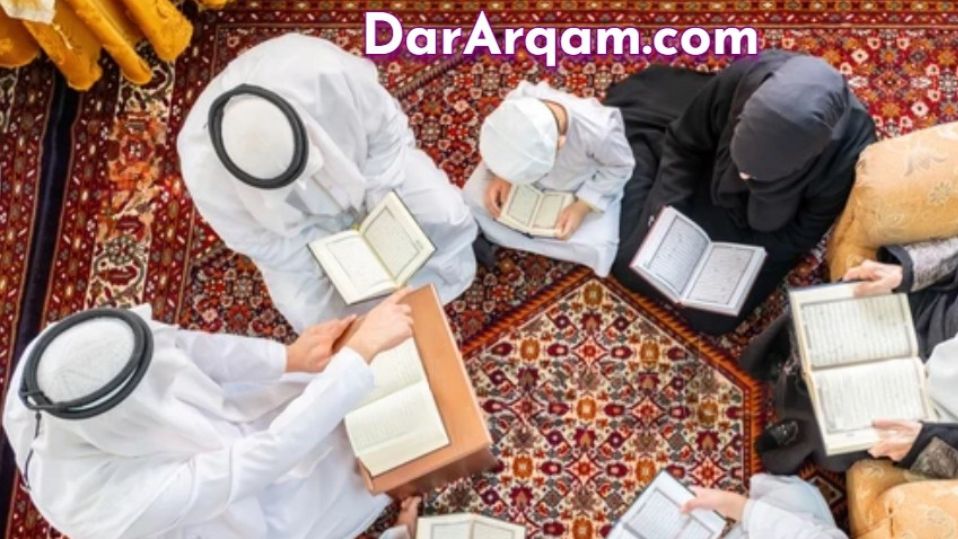
Noorani Qaida is one of the most effective methods to teach children the fundamentals of Quranic reading. For kids aged 3 to 6, it lays a strong foundation in Arabic letters, sounds, pronunciation, and early Tajweed skills. At this age, children are naturally curious and eager to learn, making it a perfect time to introduce essential Quran reading skills in a gentle and enjoyable way.
At Dar Arqam, we believe Quran learning should be structured, enjoyable, and age-appropriate. By following a simple daily schedule, using colorful learning materials, adding repetition and play, and breaking lessons into short sessions, children can learn Noorani Qaida in a fun and effective way.
Table of Contents
- 10 Tips to Teach Noorani Qaida to 3 to 6-Year-Old Children
- 1. Create a Daily Noorani Qaida Learning Schedule
- 2. Use Colorful Noorani Qaida Books
- 3. Start with Arabic Letter Recognition
- 4. Teach with Repetition and Rhymes
- 5. Focus on One Concept Per Lesson
- 6. Teach Harakaat Using Singing Patterns
- 7. Use Noorani Qaida Apps
- 8. Break Lessons into Short Sessions
- 9. Reward the Child’s Progress
- 10. Enroll in an Online Noorani Qaida Course
- What Age Can Your Child Start Noorani Qaida?
- Conclusion
10 Tips to Teach Noorani Qaida to 3 to 6-Year-Old Children
Teaching young children requires patience, creativity, and consistency. The goal is not only to help them recognize Arabic letters, but also to make them love the process of learning the Quran.
1. Create a Daily Noorani Qaida Learning Schedule
Consistency is key when teaching Noorani Qaida. Create a simple daily schedule that fits your child’s routine. For young children, short lessons of 15 to 20 minutes are usually enough.
Keep the session light and focused. You can begin with a quick review, then introduce one small new point, and finish with encouragement or a simple reward. At Dar Arqam, our tutors emphasize regular revision because it helps children build confidence and retain what they learn.
2. Use Colorful Noorani Qaida Books
Colorful books make learning more attractive for young children. Many Noorani Qaida books use colors to highlight letters, vowels, and Tajweed-related sounds.
When children see bright colors and clear text, they are more likely to stay engaged. You can use colors to explain differences between sounds, short vowels, and long vowels gradually without overwhelming the child.
3. Start with Basic Quranic Arabic Letter Recognition in Large Print Qaida
Begin with large-print Qaida books to help children focus on one letter at a time. Teach each Arabic letter clearly, and encourage your child to repeat after you.
You can also use playful activities such as tracing letters in sand, writing them on a whiteboard, or matching letter cards. This makes Arabic letter recognition more interactive and memorable.
Start your child’s Noorani Qaida journey today4. Teach with Repetition and Rhymes
Repetition helps children remember sounds and letters, while rhymes make learning more enjoyable. You can repeat letters rhythmically, clap while pronouncing them, or use simple chants such as “Alif, Baa, Taa, let’s read and play.”
The more enjoyable the lesson feels, the easier it becomes for children to stay focused and remember what they learn.
5. Focus on One Concept Per Lesson
Young children can easily feel overwhelmed if too much is introduced at once. Focus on one concept per lesson, such as one group of letters, one vowel, or one small reading pattern.
Step-by-step learning helps children progress steadily. This approach also allows parents and teachers to identify weak points early and revise them before moving forward.
6. Teach Harakaat Using Singing Patterns
Harakaat, such as Fatha, Kasra, and Damma, can be taught using simple rhythmic patterns. For example, you can say “Ba-Fatha-Ba, Bi-Kasra-Bi, Bu-Damma-Bu” in a gentle singing tone.
This method makes vowel sounds easier for children to remember and helps them connect letters with correct pronunciation.
7. Use Noorani Qaida Apps to Make It Playful for the Child
Interactive apps can support learning when used wisely. Noorani Qaida apps often include sounds, games, quizzes, and animations that help children recognize letters and practice pronunciation.
However, apps should support the teacher or parent, not replace them. The best results usually come from combining digital tools with live correction and personal guidance.
8. Break the Lessons into 20-Minute Small Sessions
Children aged 3 to 6 have short attention spans. Long lessons can make them tired or resistant to learning. Short, focused sessions are much more effective.
A 20-minute session can include review, new practice, and a quick fun activity. This keeps the child engaged without making Quran learning feel heavy.
9. Reward the Child with Completion of Each Chapter
Rewards motivate children and help them associate Quran learning with positive feelings. Simple rewards like stickers, stars, praise, or a small Quran storybook can make a big difference.
You can also create a progress chart and celebrate each completed lesson or chapter. This helps children feel proud of their progress.
10. Enroll the Child in an Online Noorani Qaida Course
A structured online Noorani Qaida course can help children learn correctly from the beginning. Qualified tutors can correct pronunciation, guide parents, and ensure that the child builds a strong foundation before moving to Quran recitation.
At Dar Arqam, online Noorani Qaida lessons are designed to be interactive, age-appropriate, and personalized for each child’s level.
At What Age Can Your Child Start Noorani Qaida?
Many children can start Noorani Qaida between the ages of 3 and 6, depending on their attention span, speech development, and readiness to learn. Some children may begin earlier with short playful exposure, while others may need more time.
The most important thing is to avoid pressure. Early Quran learning should be gentle, enjoyable, and consistent.
Conclusion
Teaching Noorani Qaida to young children can be a beautiful and rewarding experience when done with patience and structure. By using short lessons, colorful materials, repetition, rewards, and qualified guidance, children can build a strong foundation in Quran reading.
Dar Arqam offers personalized online Noorani Qaida classes to help children learn Arabic letters, pronunciation, and basic Tajweed in a supportive and engaging environment.
Start your child’s Noorani Qaida journey today
Dar Arqam is a globally recognized platform for learning the Quran, Arabic, and Islamic Studies through personalized one-on-one online sessions with expert tutors.